
If saving money feels like something you have to “try really hard” to do, you’re not the problem.
The system is.
Most people rely on willpower to save money. They wait until the end of the month and hope there is something left over. Usually there isn’t.
Life happens. Spending happens. And saving becomes the thing you get to later.
What actually works is the opposite.
You save first, automatically, before you even have the chance to spend it.
No thinking required.
Why Saving Manually Almost Never Works

Here’s what saving looks like for most people:
You get paid.
You pay bills.
You spend a little.
You spend a little more.
You check your account and think, “I’ll save next month.”
There is nothing wrong with you if this feels familiar.
Saving manually requires constant decisions, and decisions can get exhausting.
By the end of the month, your brain is done. Your money is mostly gone. Saving gets pushed off again.
Automation removes that entire cycle.
The Simple Shift That Changes Everything
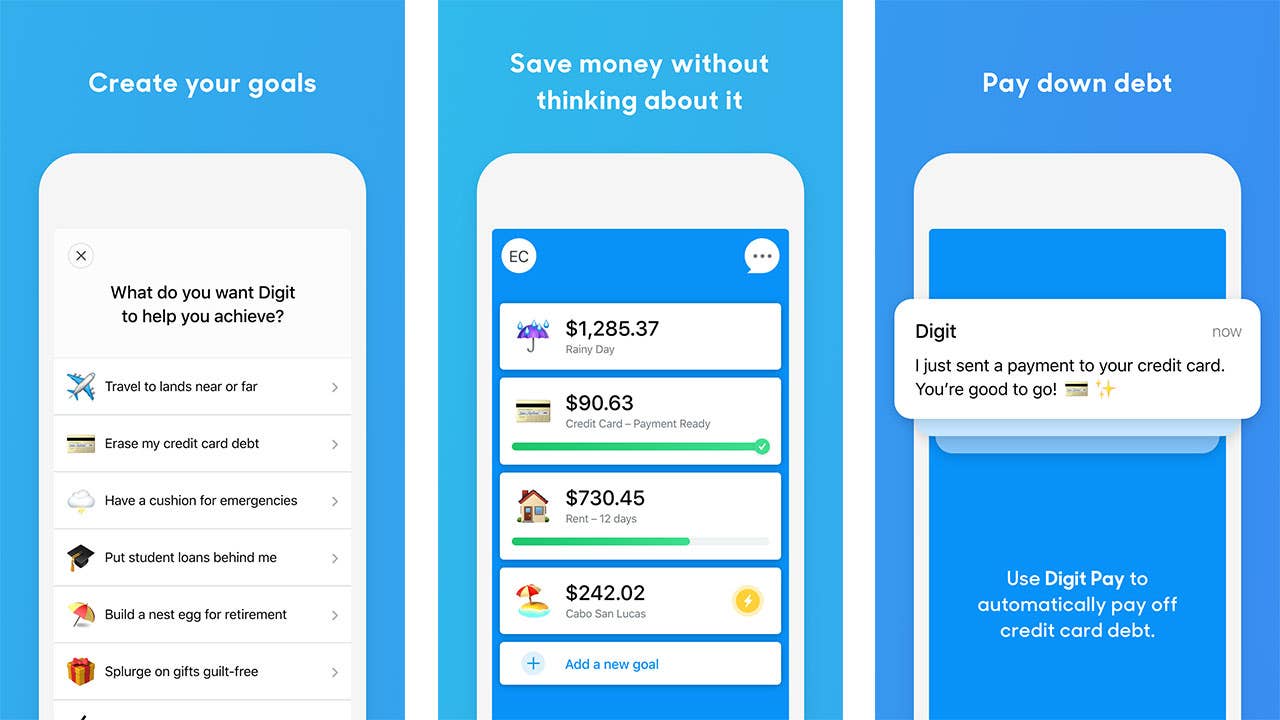
Instead of saving what is left over, you flip the order:
Money comes in → money gets saved → you live on the rest
That’s it.
You are not budgeting harder.
You are not tracking every dollar.
You are just moving money before you can touch it.
And once it is out of your main account, it becomes surprisingly easy to leave it alone.
How to Set This Up in 10 Minutes

You only need to do this once.
Step 1: Open a separate savings account
Ideally a high yield savings account, but anything separate from your checking works.
The key is that it is not your everyday spending account.
Step 2: Set up an automatic transfer
Go into your bank and create a recurring transfer.
Examples:
-
$25 per week
-
$50 every payday
-
$100 per month
Start small if you need to. This is about consistency, not perfection.
Step 3: Time it with your paycheck
Set the transfer to happen:
The same day you get paid
Or the day after
That way the money moves before you even think about using it.
Step 4: Leave it alone
This is the hardest and most important part.
Do not keep checking it.
Do not move it back.
Let it quietly build in the background.
How Much Should You Start With
There is no perfect number.
If money feels tight:
-
Start with $10 or $25
If you have a little room:
-
Try $50 to $100
If you are more comfortable:
-
Push it higher
What matters is that it feels sustainable.
You should barely notice it leaving your account.
Where This Money Goes Over Time

At first, it feels small.
Then a few weeks pass and you check your account and see a few hundred dollars.
Then it becomes:
-
Your emergency fund
-
Your travel fund
-
Your buffer so you stop living paycheck to paycheck
It builds quietly, without stress.
A Simple Way to Think About It
Saving money does not need to feel intense or restrictive.
It can be something that just happens in the background while you live your life.
You are not trying to be perfect.
You are just making it easier to do the right thing without thinking about it every day.
One Last Thing to Keep in Mind
If you ever need to adjust the amount, that’s completely fine. Life changes. Expenses change.
The system should work for you, not stress you out.
Even small amounts done consistently can turn into something meaningful over time.
You do not need to rely on discipline to save money. You just need a system that does it for you.
Set it up once.
Let it run.
And give it time to work.
That’s where the real progress starts.