
Let’s be honest for a moment. Some of us were simply not born to budget.
If you have ever opened a spreadsheet, stared at it for thirty seconds, sighed dramatically, and then returned to scrolling your phone, you are not alone.
Traditional budgeting can feel exhausting. Tracking every dollar, categorizing every coffee, and reviewing spreadsheets every week is not how most people want to spend their evenings.
The good news is that budgeting in 2026 does not have to work that way.
With automation tools and smarter banking features, you can build a system that manages most of your money decisions in the background. You set it up once and then let it run quietly while you focus on everything else in life.
Think of it as budgeting for people who would rather not think about budgeting all the time.
Why Lazy Budgeting Actually Works

Lazy budgeting is not about ignoring your finances. It is about building a system that does most of the work for you.
Instead of relying on willpower or endless spreadsheets, you create automatic habits that move money where it needs to go.
Savings happen automatically. Bills get paid automatically. Investments happen automatically.
The system keeps running whether you are working, relaxing, or watching your favorite show.
This approach works for three simple reasons.
It saves time. You are not constantly checking numbers or adjusting categories.
It reduces decision fatigue. You are not making dozens of small financial choices every week.
It builds consistency. The system keeps working even on days when motivation is low.
In other words, it replaces discipline with design.
Step by Step Lazy Budgeting Setup

Setting up a lazy budget only takes a little effort in the beginning. After that, the system mostly takes care of itself.
Here are five simple steps to get started.
1. Open a High Yield Savings Account
Start by opening a savings account that offers a competitive interest rate and no monthly fees.
This account becomes the home for your savings goals. It might hold your emergency fund, vacation savings, or a small buffer for future expenses.
The goal is simple. Your money earns a little interest while staying separate from everyday spending.
2. Split Your Direct Deposit
Many employers allow you to divide your paycheck between multiple accounts.
Take advantage of that feature.
Send a fixed percentage of your paycheck directly into savings before it ever reaches your checking account.
When money goes to savings automatically, you adjust to the remaining amount without feeling like something was taken away.
3. Automate Your Bill Payments
Late fees are the enemy of lazy budgeting.
Set up automatic payments for recurring bills such as rent, utilities, phone service, and subscriptions.
Ideally, these payments come from a checking account dedicated to fixed expenses. Once the money is there, the bills take care of themselves.
4. Use Round Up Savings Features
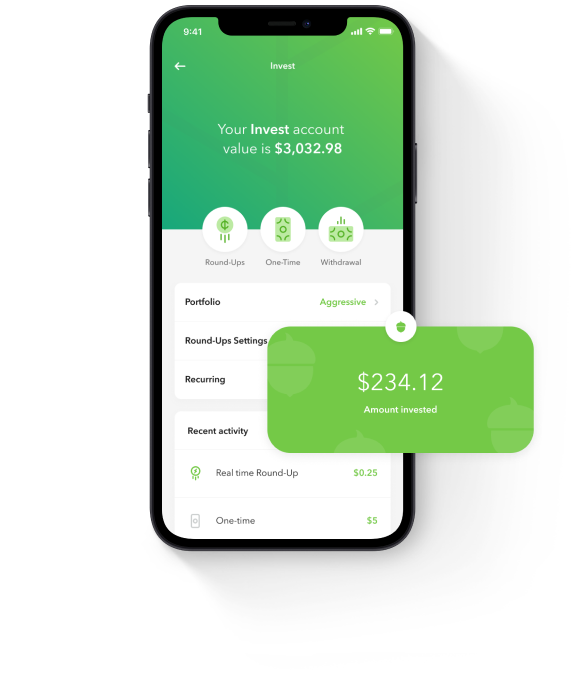
Many apps and banks offer round up features.
Each time you make a purchase, the amount is rounded up to the nearest dollar and the extra cents go into savings.
For example, if you spend $3.40 on coffee, the app rounds it to $4.00 and moves sixty cents into savings.
It may seem small, but those little amounts add up surprisingly quickly over time.
Popular tools that offer this feature include apps like Acorns and Qapital, as well as built in tools offered by many banks.
5. Automatically Invest a Small Amount
Once your basic expenses are covered and your savings system is running, consider setting up a small recurring investment.
Even a modest amount each month can make a difference over time.
Platforms such as Fidelity Investments, Vanguard, or Betterment allow you to schedule automatic investments into diversified funds.
The key is consistency, not size.
Twenty five dollars a month invested regularly is far more powerful than waiting for the perfect moment to invest a large amount.
What Lazy Budgeting Is Not
Lazy budgeting is not about ignoring your finances entirely.
It is not hoping that your rent somehow pays itself.
It is not guessing how much you spent on takeout last month.
Lazy budgeting simply moves the effort to the beginning. Once the system is set up, it continues working quietly in the background.
Tools That Make Lazy Budgeting Even Easier
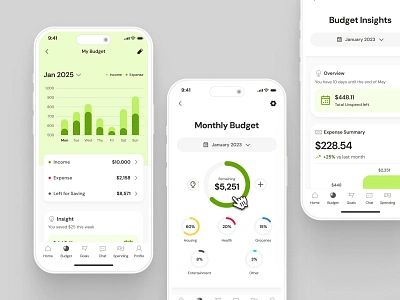
Several tools can make automated budgeting even simpler.
YNAB helps people build structured budgets while keeping everything organized.
Empower Personal Dashboard automatically tracks spending and net worth.
Monarch Money offers visual budgeting tools that work well for couples or people who prefer a clear dashboard.
Most modern banks also allow you to schedule transfers, savings goals, and bill payments directly from your mobile app.
A Simple Way to Think About It
If you can remember to plug in your phone every night, you can run a budget like this.
Lazy budgeting is not about doing nothing. It is about setting up a system that manages your money automatically so you do not have to constantly monitor every detail.
Once the structure is in place, your finances start moving in the right direction with very little daily effort.
That means more time spent living your life and less time worrying about spreadsheets.