
Teach a Kid to Invest, Change Their Future
Want to blow a kid’s mind?
Tell them they could become a millionaire before they are even old enough to rent a car.
It sounds dramatic, but the math of investing early makes it possible. When kids start learning about investing young, they gain something much bigger than money. They gain confidence, curiosity, and a real understanding of how wealth grows over time.
In 2026, it is easier than ever to help kids begin investing. There are accounts designed for minors, simple investment platforms, and tools that make learning about money feel approachable.
You do not need a trust fund or a massive starting balance. A little consistency and a long time horizon can do incredible things.
Let’s walk through some of the best ways to invest for kids.
Best Ways to Invest for Kids

There are several ways to start investing for kids that go far beyond the traditional piggy bank. Each option serves a slightly different purpose, depending on your goals.
Custodial Roth IRA for Teen Earners
If a teenager has earned income from something like babysitting, a summer job, or freelance work, a custodial Roth IRA can be a powerful tool.
The rules are simple. The child must have legitimate earned income. Contributions can be made up to the amount they earned, up to the annual limit.
The benefit is huge.
Money inside a Roth IRA grows tax free, and withdrawals in retirement are also tax free. When someone starts investing at fifteen or sixteen years old, they gain an advantage that most adults never had.
Imagine someone entering adulthood already comfortable with investing and decades ahead on compound growth.
Custodial Brokerage Accounts

Custodial brokerage accounts are another popular option.
These accounts are typically set up as UGMA or UTMA accounts and can be funded by parents or grandparents. The money can be invested in stocks, index funds, or ETFs.
While the child is still a minor, the parent manages the account. Once the child reaches adulthood, usually at eighteen or twenty one depending on the state, the account transfers fully to them.
Many families use these accounts as a flexible fund that can help with college expenses, a first car, travel, or launching adult life.
529 College Savings Plans

For families focused on education, a 529 college savings plan is worth considering.
These accounts allow investments to grow tax free when the money is used for qualified education expenses. Over time the definition of qualified expenses has expanded.
Funds can now help cover traditional college costs, trade schools, certain K through 12 education expenses, and even student loan repayment in some situations.
Recent updates have also created more flexibility. In 2026, unused funds from a 529 plan can potentially be rolled into a Roth IRA for the beneficiary under specific rules. This helps reduce the worry of saving too much for education.
Micro Investing Apps for Teens

Technology has also made investing easier for younger audiences.
Several platforms allow teens to watch their investments grow and learn about the market with guidance from parents. Some apps allow kids to select stocks or ETFs themselves while adults maintain oversight.
Instead of mindless screen time, kids can watch their savings grow, see how markets move, and begin to understand how money compounds over time.
It turns learning about finance into something interactive rather than abstract.
Why Investing Early Matters
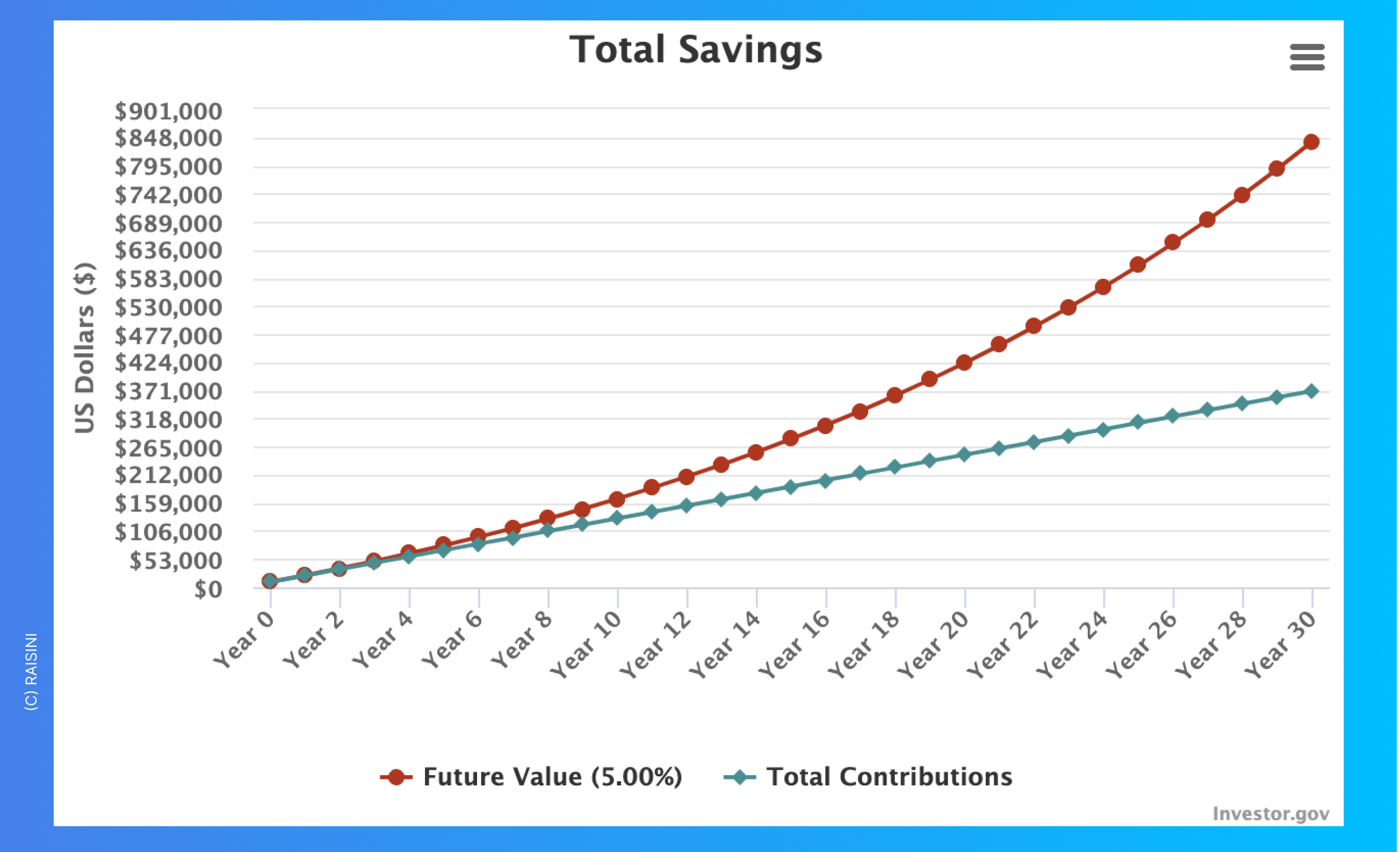
The biggest advantage kids have is time.
When money is invested early, compound growth does the heavy lifting.
For example, a single investment of one thousand dollars made at age ten could potentially grow to many times that amount by middle age, even with modest market returns.
But the benefit goes beyond numbers.
Kids who grow up understanding how investing works often feel more comfortable making financial decisions later in life. They are less intimidated by the stock market and more likely to think long term.
Investing together can also become part of a family tradition. Instead of simply passing down wealth someday, you build financial knowledge together along the way.
A Simple Perspective
Investing for kids is not about making them rich overnight.
It is about giving them a head start.
Learning how money grows, how patience works, and how long term thinking pays off can shape the way someone approaches their entire financial life.
You do not need a huge starting balance. Small consistent contributions and a lot of time can create meaningful results.
And who knows. Ten or twenty years from now, the kid you taught to invest might be the one teaching someone else.