
Between rising prices, unexpected layoffs, and the quiet feeling that everything costs more than it did last year, a lot of people are asking the same question:
What happens if something goes wrong?
That question alone is enough reason to build an emergency fund.
An emergency fund is not flashy.
It will not make you rich.
But it can be the difference between a stressful week and a financial spiral that takes months to recover from.
Let’s keep this simple and realistic.
What an Emergency Fund Actually Is

An emergency fund is cash set aside for unexpected life events.
Not hypothetical emergencies. Real ones.
Think about:
-
Sudden job loss or reduced hours
-
Medical bills
-
Car repairs
-
Home repairs
-
Travel for a family emergency
This is not investment money.
It is not extra spending money.
It is your financial cushion when life does what life tends to do.
Why Emergency Funds Matter Even More Right Now

Right now many households are feeling:
-
Higher grocery and gas prices
-
Tighter monthly budgets
-
Less room for error
Without a savings buffer, even a small surprise can lead to:
-
Credit card debt
-
Pulling money out of investments at the wrong time
-
Lingering financial stress
An emergency fund gives you options.
And options are powerful.
When something goes wrong, you want choices. Not panic.
How Much Should You Have
You will often hear that you need six months of expenses saved.
That is a strong long term goal. It is not where you begin.
Start with one thousand dollars.
That alone can cover many real world emergencies and immediately lower your stress level.
From there, work toward three to six months of essential expenses. That includes housing, food, utilities, insurance, and minimum debt payments.
If that feels far away, that is fine.
Build it in layers. Every dollar saved increases stability.
Where to Keep Your Emergency Fund
Your emergency fund should be:
-
Easy to access
-
Safe
-
Not affected by market swings
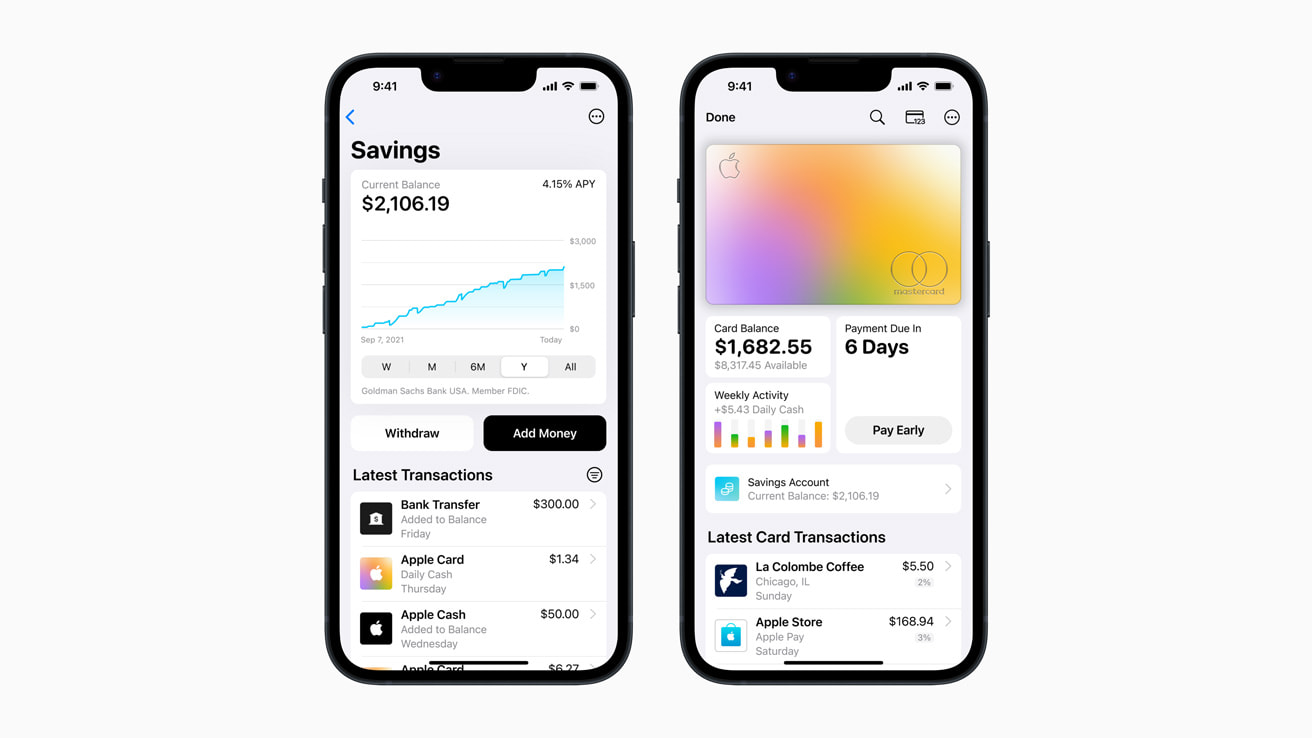
That is why most people keep it in a high yield savings account.
A high yield savings account allows your money to earn interest while remaining liquid. It is not invested in the market. It does not fluctuate daily.
The goal is stability, not growth.
If all you have right now is a regular savings account, that is completely fine. You can upgrade later.
The priority is building the cushion.
How to Build It Without Feeling Overwhelmed

You do not need to save thousands overnight.
What works in real life:
-
Set up automatic transfers
-
Save small consistent amounts
-
Increase contributions when income increases
Even 25 to 100 dollars per month builds momentum.
Small steady actions feel manageable. Manageable actions get repeated. Repetition builds security.
What an Emergency Fund Is Not For
This part is important.
Emergency funds are not for:
-
Planned vacations
-
Holiday shopping
-
Home upgrades
-
Purchases you knew were coming
If you had time to plan it, it is not an emergency.
Your emergency fund exists for the unexpected. Protect it accordingly.
A Steadier Way to Think About It
An emergency fund is not about assuming the worst.
It is about preparing responsibly.
In uncertain economic times, financial resilience matters more than aggressive investing. A small cushion can make daily life feel calmer, even if you never touch the money.
That sense of stability is valuable.
Start small. Stay consistent. Let the cushion grow quietly in the background.
That is how financial confidence is built.