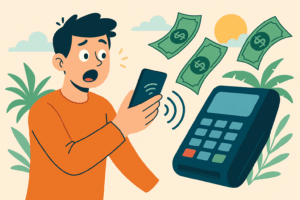
You tap your phone. Beep. You’ve just spent $12.99 on an oat milk latte, a croissant, and emotional comfort. But wait—did you even feel that transaction? Welcome to the Cashless Effect, where spending money no longer feels real because there’s no actual money in your hand. Spoiler: your budget might be quietly weeping.
In 2025, with Apple Pay, Venmo, and one-click ordering, we’ve turned purchases into background noise. And while convenient? This invisible spending is sneaky.
💸 What Is the “Cashless Effect”?
The Cashless Effect refers to our tendency to overspend when using digital payments compared to cash. Paying with bills creates a physical and emotional sense of loss—your wallet gets lighter, your heart gets heavier.
With digital payments? It’s frictionless. You don’t see the money leave, so your brain doesn’t process it as spending. Combine that with instant gratification, and you’ve got a recipe for “Wait, how did I spend $347 this weekend?” syndrome.
🧠 The Psychology Behind It
Your brain registers cash as painful (in a good way). When you fork over cash, your brain’s pain centers light up. That acts as a natural speed bump to overspending.
But when you swipe, tap, or click? That pain is numbed. It’s like shopping on emotional Novocain.
🔧 How to Outsmart the Cashless Trap (Without Living Like It’s 1997)
1. Use a budgeting app that yells at you nicely.
Apps like YNAB or Copilot give real-time notifications and charts that say, “Hey friend… you really liked takeout this week.”
2. Set weekly spending caps on prepaid cards.
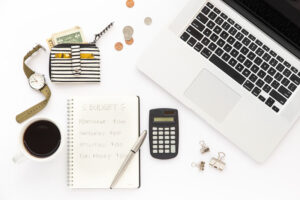
Load $200 for fun money and when it’s gone, it’s gone. Your future self will thank you—and so will your rent.
3. Rename your spending categories to something snarky.
Instead of “Dining Out,” call it “Feeding My Feelings.” Instead of “Shopping,” try “Retail Therapy Budget (Yes, I Know).” Makes checking the budget weirdly entertaining.
4. Try a digital envelope system.
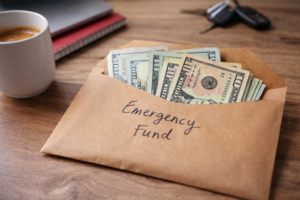
Apps like Goodbudget let you create virtual “envelopes” just like Grandma used—but with less coin counting and more screen time.
5. Carry just one $20 bill in your wallet.
It’s your “emotional support cash.” You’ll think twice before breaking it for a vending machine Snickers.
🪙 Final Thoughts:
You don’t have to toss your phone in a river and live off the grid. But you can bring awareness back to your spending. The goal isn’t to ditch convenience—it’s to avoid being tricked by it.
And if all else fails? Write your bank balance on a Post-it and stick it to your laptop. Instant mindfulness.