
If you are filing taxes this year and want a simple breakdown of basic tax tips for workers, this guide covers what you need to review before submitting your return.
Taxes are not exciting. They are not glamorous. They are not something most people wake up excited to learn about.
But they are one of the biggest financial levers in your life.
If you earn income, even part time, understanding a few simple tax principles can save you stress, money, and that annual “why is this so confusing” spiral.
Let’s keep this simple and practical.
1. Understand What Comes Out of Your Paycheck

Before tax season even starts, your paycheck is already telling a story.
Most workers will see:
-
Federal income tax
-
State income tax if applicable
-
Social Security
-
Medicare
Social Security and Medicare are payroll taxes. Federal income tax is withheld based on information you provide on your W-4 form. These are handled by the Internal Revenue Service.
If you have no idea what is being withheld or why, that is your first opportunity to get smarter about taxes.
Five minutes reviewing a pay stub can prevent five months of confusion later.
2. Your Tax Refund Is Not Free Money

A large refund can feel like a bonus.
In reality, it usually means you paid more throughout the year than you owed. That money was yours all along.
Some people prefer a big refund because it forces savings. Others would rather adjust their withholding and keep more in each paycheck.
There is no right personality type here. Just be intentional.
3. Know Your Tax Bracket Without Panicking About It
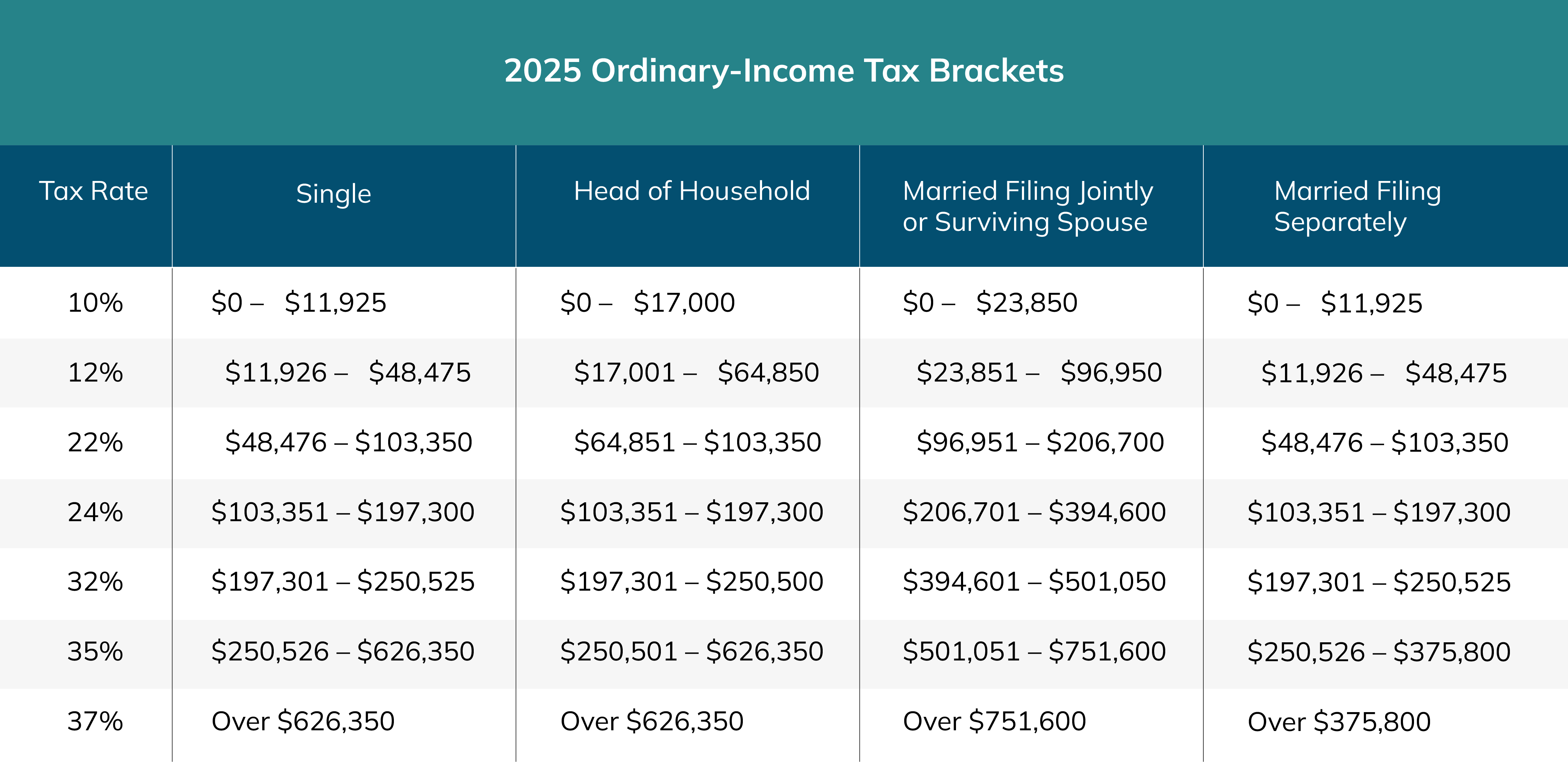
The United States uses a progressive tax system.
That means different portions of your income are taxed at different rates. Not all of your income is taxed at your highest rate.
Understanding this prevents the classic mistake of turning down income because you think “it will all get taxed higher.”
More income is still more income. Always.
4. Keep Your Documents Organized All Year

This is not thrilling advice, but it works.
Create one physical folder or one digital folder labeled “Taxes 2026” and drop everything in there:
-
W-2 forms
-
1099 forms
-
Charitable donation receipts
-
Business expense receipts if applicable
When April rolls around, you will feel calm instead of chaotic.
Calm is underrated.
5. Do Not Ignore Side Income
If you freelance, sell on Etsy, drive for a delivery app, or run a small side hustle, that income is generally taxable.
Many platforms issue a 1099 form. Even if they do not, income is still income.
Side income may also trigger self employment tax, which covers Social Security and Medicare.
This surprises a lot of people the first year.
Plan ahead so it does not surprise you.
6. Use Retirement Contributions Strategically
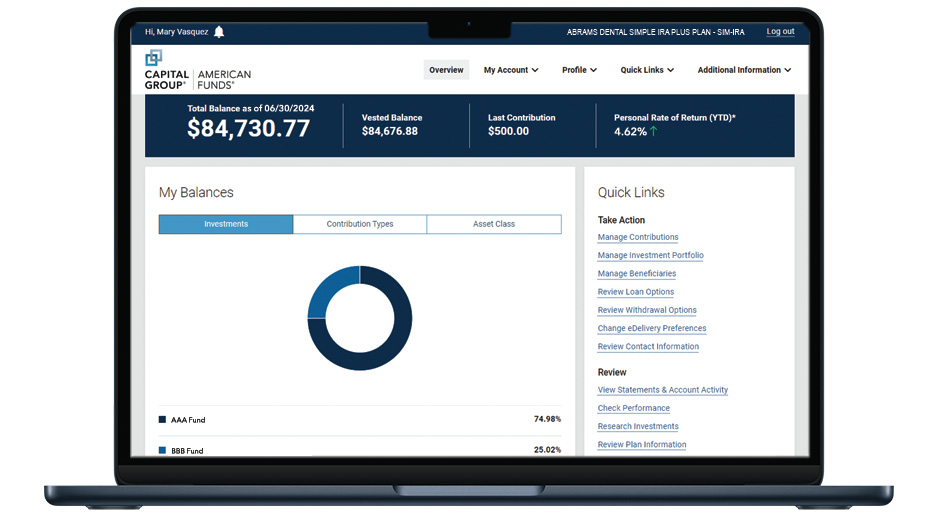
Contributing to certain retirement accounts can reduce your taxable income.
For example:
-
Traditional 401k contributions are typically made pre tax
-
Traditional IRA contributions may be tax deductible depending on income
This means you can lower your current tax bill while building long term wealth.
It is one of the most powerful tax tools available to everyday workers.
7. Double Check Your Filing Status

Your filing status affects:
-
Tax brackets
-
Standard deduction amount
-
Eligibility for certain credits
Single, married filing jointly, married filing separately, head of household. These categories matter more than most people realize.
If your life situation changed during the year, your taxes might need to change too.
8. Take Advantage of Credits, Not Just Deductions

Deductions reduce taxable income.
Credits reduce the amount of tax you owe.
Credits are powerful.
Examples include the Child Tax Credit and Earned Income Tax Credit, depending on your situation.
Understanding the difference between deductions and credits can directly affect how much you pay or receive.
9. When in Doubt, Ask for Help

You do not need to figure everything out alone.
Tax software can be helpful for straightforward situations. If your income is complex or you feel unsure, a qualified professional can save you more than they cost.
There is a difference between being financially aware and trying to be your own accountant without the training.
Know the line.
Final Thoughts
Taxes do not have to feel overwhelming.
Most workers do not need to memorize the tax code. They just need to understand a handful of principles:
-
Know what is coming out of your paycheck
-
Plan for side income
-
Use retirement accounts wisely
-
Stay organized
-
Understand the difference between deductions and credits
That is it.
Financial confidence is often built on boring knowledge applied consistently.
Taxes are part of the system. Once you understand how they work, they stop feeling mysterious and start feeling manageable.
Frequently Asked Questions
What tax documents should workers keep?
Workers should keep W-2 forms, 1099 forms, receipts for deductions, and records of major expenses.
When should I start preparing for tax season?
It is best to begin reviewing your documents at least a few weeks before filing to avoid mistakes or delays.