
The Beginner-Friendly Guide to Investing $100 a Month (Even If You’re Scared of the Stock Market)

If the word investing makes your stomach tighten a little, you are not alone.

Most of us were never taught how this works. School covered algebra and mitochondria but somehow skipped “how to build wealth without stressing yourself out.”

Here is the part that should calm you down.

You do not need to be rich to invest.
You do not need to understand financial news.
You do not need to stare at charts all night.

You can start with 100 dollars a month.

That is enough to build real momentum over time.

Let’s walk through this in a way that feels steady, simple, and doable.

1. Why Starting Small Actually Works

https://media-cldnry.s-nbcnews.com/image/upload/t_fit-1240w%2Cf_auto%2Cq_auto%3Abest/newscms/2017_23/2029341/170607-better-change-filled-jar-se-408p.jpg

There is one concept that changes everything.

Money grows when you give it time.

This is compound growth. It simply means your money earns returns, then those returns earn returns too. Over time, that snowball gets bigger without you adding much effort.

If you invest 100 dollars per month and the market averages around 7 percent annually over the long term, here is what that can look like:

Years Your Total Contributions What It Can Grow To
10 years $12,000 ~$17,000-$20,000
20 years $24,000 ~$50,000-$60,000
30 years $36,000 ~$110,000+

*Assumes long-term average market growth. Not guaranteed, but historically reasonable.

You contribute 36,000 dollars over 30 years and it can grow into more than 100,000.

That is not hype. That is patience plus consistency.

2. The 3 Investment Accounts You Actually Need to Know
https://cdn2.etrade.net/1/25120911130.0/aempros/content/dam/etrade/retail/en_US/images/accounts/brokerage-account/hero-brokerage-account-mobile-app-visual.jpg

There are dozens of account types out there. You only need to understand three to get started.

Account When to Use It Why It’s Good
Roth IRA If you want tax-free growth for retirement When you withdraw later → you don’t owe taxes. Very beginner-friendly.
401(k) If your job offers employer match If your job gives you free money for contributing… accept the free money.
Brokerage Account If you just want to start investing right now Flexible. Withdraw anytime. No tax perks, but easy.

If your job offers a 401(k) match, contribute enough to get the full match. That is step one.

After that, a Roth IRA is extremely beginner friendly.

If you want total flexibility, a regular brokerage account works just fine.

You do not need all three on day one. Just pick the next right step.

3. What to Actually Buy: Keep It Simple

https://images.openai.com/static-rsc-3/yqfhwJrfIuES8uFrGERnsMhbxzNQ6loMPWcQlxXIl0Uu1iU4QIvlKdqH7F7Qikq1X3BUh9C3zPASyeRGQxD9VDqQAZxdVVzIGk2dskKUtJE?purpose=fullsize&v=1

Now the part that feels intimidating.

What do you buy?

You do not need to pick individual stocks. You can buy an ETF, which stands for Exchange Traded Fund. An ETF is simply a basket of many companies bundled together.

Instead of choosing one company, you own a small piece of hundreds or thousands.

ETF What It Invests In Why It’s Good
VTI The entire U.S. stock market Maximum simplicity.
VOO The S&P 500 (top 500 U.S. companies) Stable, popular, strong long-term growth.
SCHD Dividend-focused companies More income-producing. Good “steady vibes.”

You only need one to start.

Choosing one broad market ETF and sticking with it is often more powerful than constantly switching.

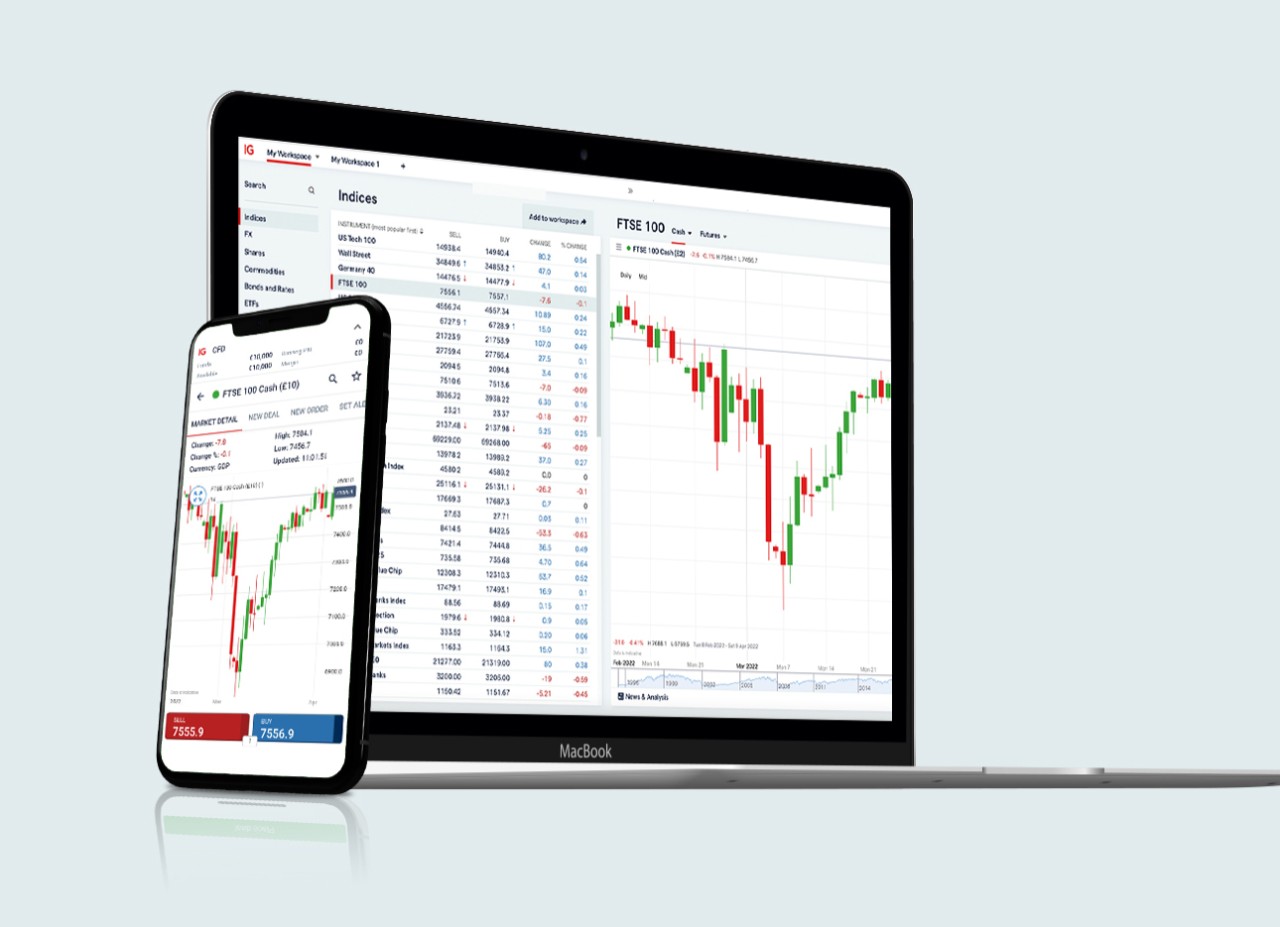
4. How to Invest 100 Dollars a Month in 10 Minutes

https://a.c-dn.net/c/content/dam/igcom/img/ftse100-hero-desktop-v3.jpg/jcr%3Acontent/renditions/cq5dam.web.1280.1280.jpeg

Here is what the process looks like in real life.

  1. Open an investment account with a provider like Fidelity Investments, Vanguard, or Charles Schwab.

  2. Deposit 100 dollars.

  3. Search for your chosen ETF, for example VTI.

  4. Buy it.

  5. Turn on automatic monthly investing.

Then step away.

You do not need to check it daily. You do not need to react to every headline.

Consistency beats intensity.

5. What Happens When the Market Drops?

https://images.openai.com/static-rsc-3/XYxlNS9JN316MdyjiKP80xP2jNxyBOkTtR5VcfxMds1hbfzQhjMoOpXs4Pdn4FnMzVt7L3FJGuOaU5wVpxMgejeHYPm9VYBPqnSLBXsHTbM?purpose=fullsize&v=1

The market will drop at some point.

That is normal. It has happened many times historically and recovered over the long run.

When prices fall, your 100 dollars actually buys more shares.

It feels uncomfortable, but mathematically it can work in your favor if you keep investing.

The biggest mistake most beginners make is quitting during a downturn.

Long term investing rewards patience.

Final Thought

Investing is not about being perfect.

It is about starting.

Open the account.
Invest the first 100 dollars.
Set the automatic contribution.

Small, steady investments over time can turn into serious wealth.

You do not need to be fearless.
You just need to begin.

Disclaimer: Sunshine Personal Finance provides educational content only and does not offer financial, investment, tax, or legal advice. Always consider your personal situation and consult a qualified professional before making investment decisions.


Related Articles

Sunshine Personal Finance

Finance Blogger

Welcome to your go-to resource for all things personal finance. Get practical tips, insights, and advice to master your money and achieve financial success. Join our community and take control of your financial future today!

Trending Articles
Sponsor